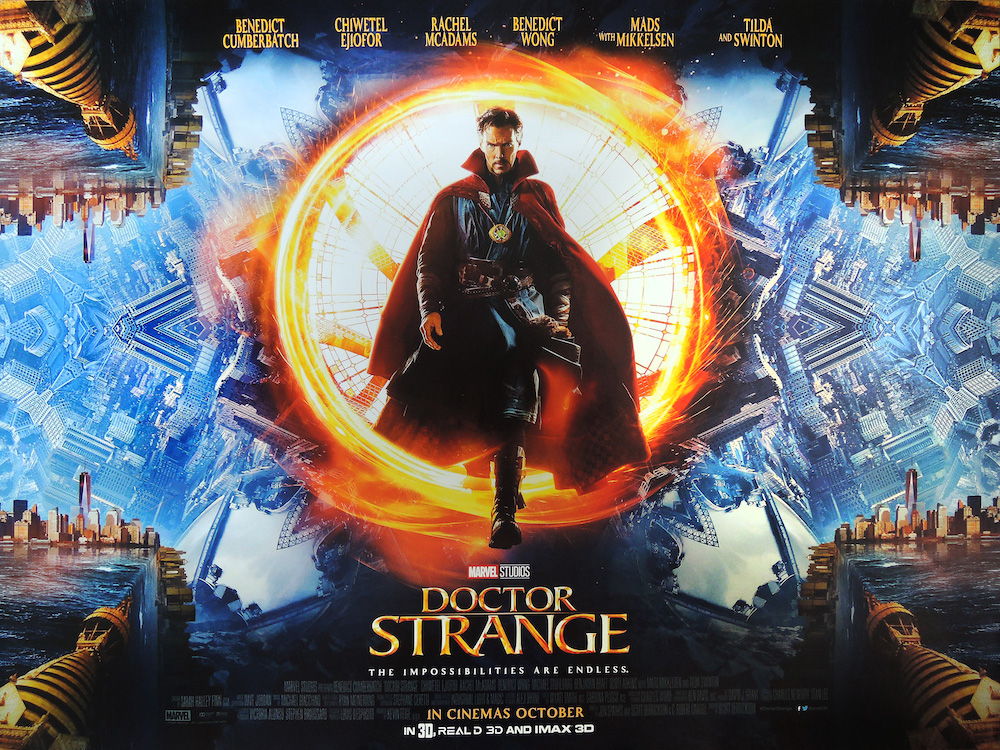
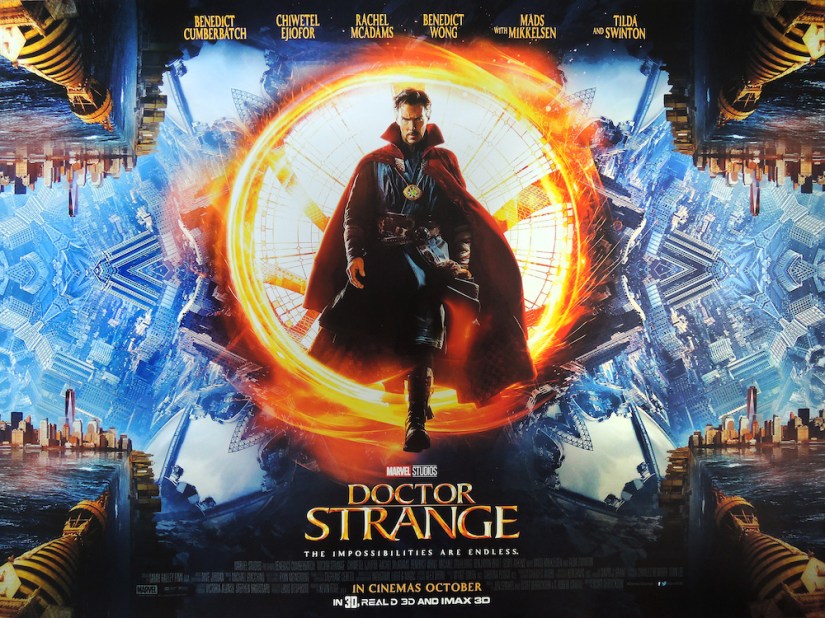
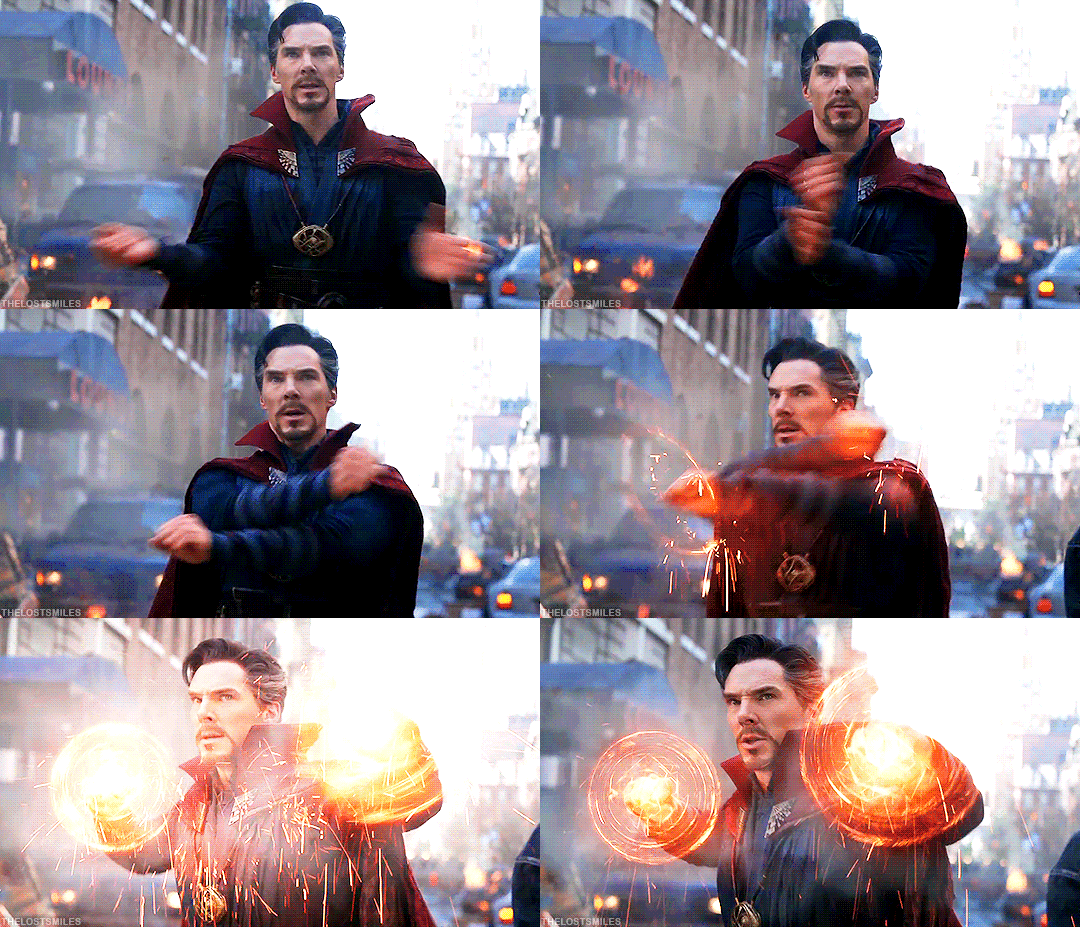
I mentioned in my recent Sherlock post that rewatching Avengers: Infinity War* and paying a lot more attention to the character of Doctor Strange sparked a renewed appreciation for Benedict Cumberbatch. I mean, I’ve known about this guy since I was all of fourteen and he was a baby-faced nobody in Amazing Grace, and thirteen years later I’m watching him play a superhero. #RESPECT
Until last week, however, I had yet to see Doctor Strange’s origin story. It was definitely the most unusual Marvel film I’ve ever seen, but it was also one of the most thought-provoking.
Similarly, Doctor Strange and his mentors aren’t actually using sorcery. They are harnessing the energy from the Multiverse. If you’ve seen Spider-Man: Into The Spider-Verse*, this makes perfectly good sense within Marvel’s concept of multiple realities. It may look like magic, or spells, or what have you–but even the mysterious Ancient One offers some alternative names for it: “programs” and “source codes.” Those who practice the Mystic Arts (i.e., those who know the source codes) are called “sorcerers,” but nobody is calling on demons or black magic…unless, of course, they’re using their skills to serve the powers of darkness.
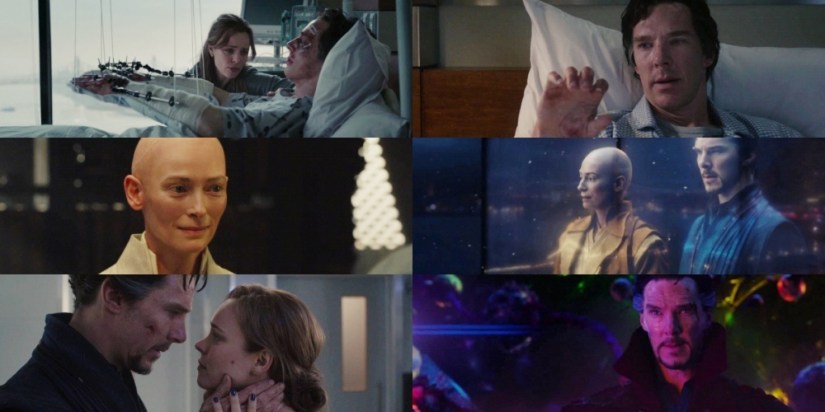
There are two startlingly biblical lessons in Doctor Strange*, and the first is something we rarely enjoy discussing: idolatry. Stephen starts out as the god of his own little world, his entire self-worth wrapped up in his truly extraordinary skills as a surgeon. But when that was taken away he felt he had no purpose, his hopelessness manifesting itself in bitterness and cruelty towards the one person who loved him the most.
But as he matures–learning from the Ancient One, forming true friendships, and reconciling with Christine in Marvel’s purest, most delicate romance scene–he finally learns humility. He doesn’t think less of himself, but he does think of himself less. He never is healed. His hands still shake at the end of the movie; his hands still shake even in Avengers: Endgame, as we see so poignantly when he raises that meaningful index finger at Tony Stark. But he’s okay with that now. He has surrendered control over that part of his life…and he is content.
That’ll preach, y’all.
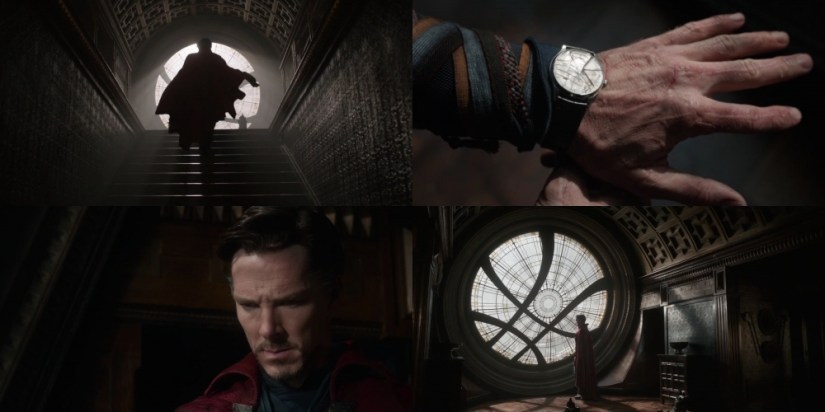
We don’t get to choose our time. Death is what gives life meaning–to know your days are numbered, your time is short. You’d think after all this time I’d be ready, but look at me: stretching one moment out into a thousand just so I can watch the snow.
“Teach us to number our days,” the Psalmist begged the Lord, “that we may gain a heart of wisdom.” The Ancient One’s final words not only give Stephen the courage he needs to value his own numbered days, but the humility to offer his own life a thousand times over in order to save the Earth.
And that, too, will preach.
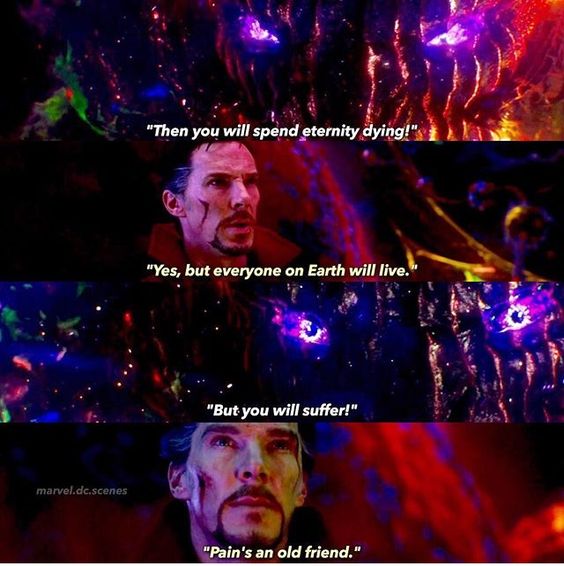
So those are my thoughts on this very unique film! I have great hopes for Doctor Strange in future movies, not least among them being my desperate earnest hope that he and Christine Palmer will eventually get their happily-ever-after. Make it happen, Marvel: bring Rachel McAdams back, and make it happen. Shay and I are counting on it, and we will fight anyone who talks trash about our OTP.
ALSO, the Ancient One may be my favorite character, which I did not expect. She was just so awesome and funny and wise and flawed, I couldn’t help myself. And maybe now I’ll finally stop thinking of Tilda Swinton as the White Witch.
AND LAST BUT NOT LEAST, only a genius can go straight from playing Alan Turing to Hamlet to Stephen Strange. Very proud of that baby-faced nobody from Amazing Grace, y’all.


 Maribeth Barber Albritton
Leave a comment